
Protect the engine from bigger cooling trouble
Cause checked first
We do not blame the radiator until the wider cooling system has been checked.
System set up properly
Drain, fit, refill, bleed and leak testing are all part of restoring cooling.
Overheating taken seriously
Prompt diagnosis helps reduce the risk of heat turning into engine damage.
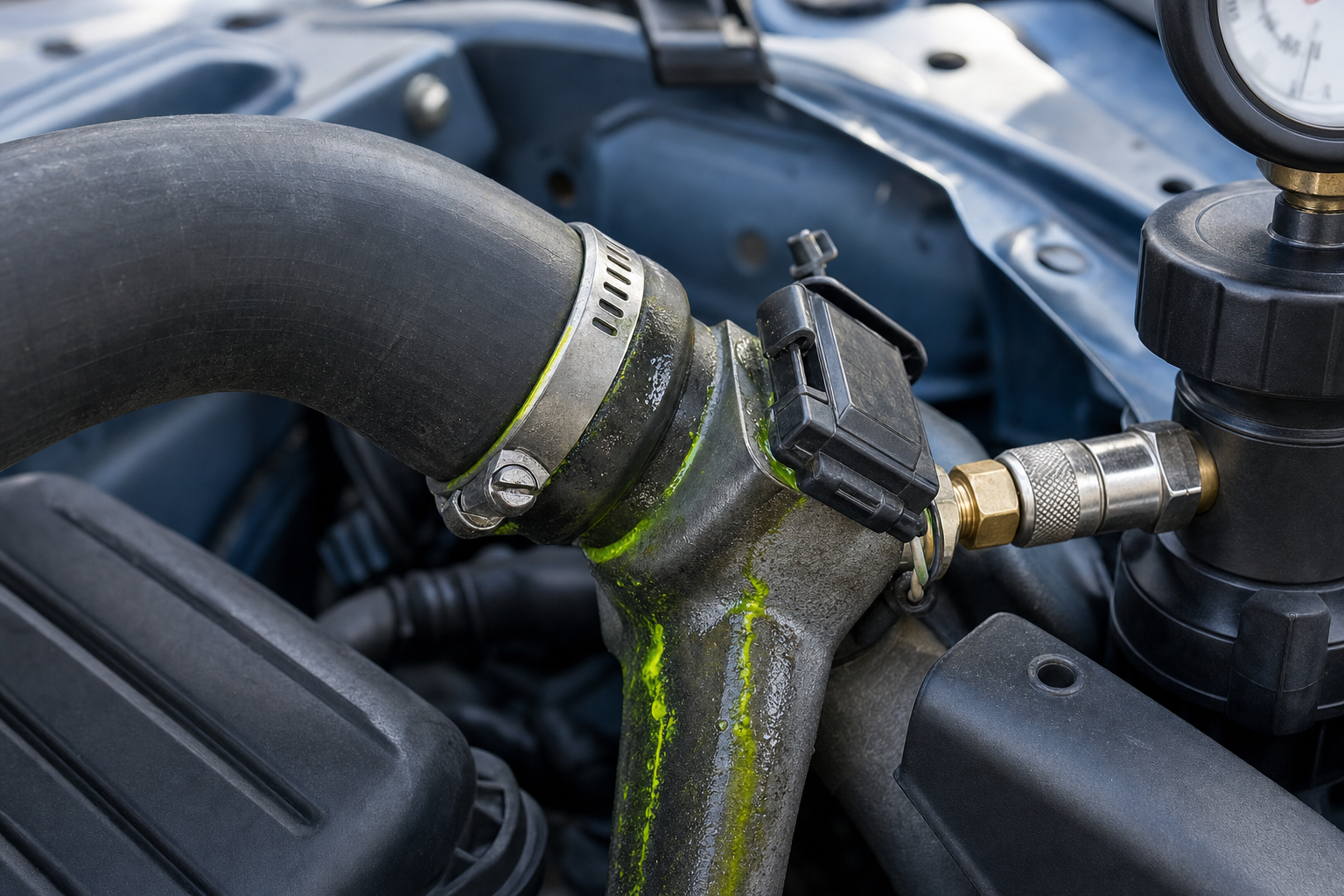
Why coolant loss needs proper diagnosis first
When a car starts losing coolant or edging towards the hot side of the gauge, the radiator is an obvious suspect, but it is not the only one. We look at leaks, visible damage, repeated low coolant, rising temperature and even poor cabin heating, because circulation issues elsewhere in the cooling system can show up in similar ways. We check the radiator alongside hoses, connections, the thermostat, the water pump and related components before calling the part. A cooling-system concern brought to LMA Autotech is diagnosed properly first, which helps avoid replacing one part and missing the real cause.
Replacement done with the full cooling circuit in mind
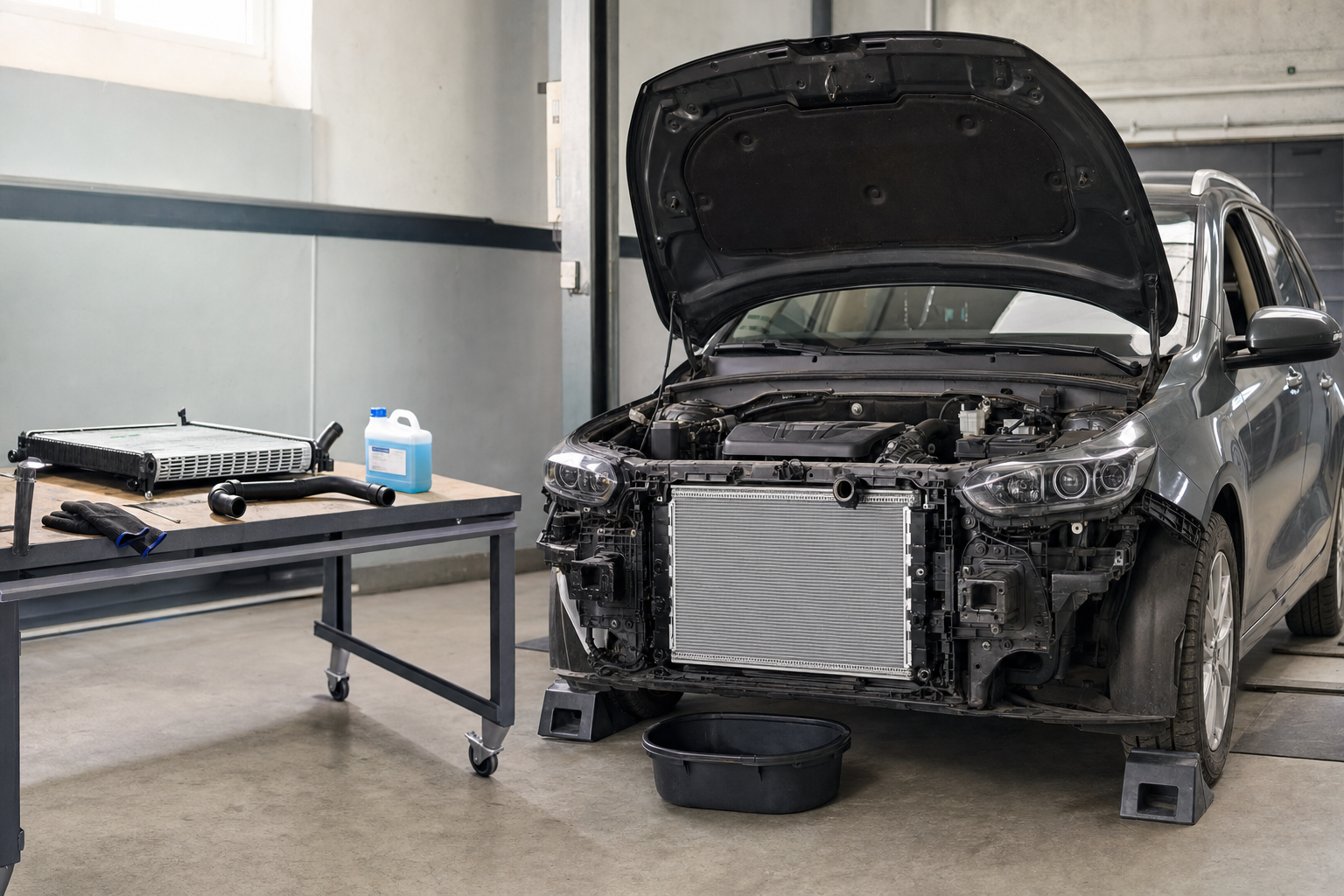
If the radiator has failed, we carry out the replacement through safe draining, removal, fitment, coolant refill, bleeding and leak testing. That last part matters. Air trapped in the system or poor circulation after the job can leave you thinking the problem is back when the system simply has not been set up correctly. With LMA Autotech, the aim is to restore proper cooling, not just bolt on a new radiator and hope for the best. Prompt checks also help reduce the risk of wider engine damage from overheating.
Frequently asked questions
Does low coolant always mean the radiator has failed?
No. Coolant loss can come from the radiator, but hoses, connections, other components or circulation problems may be involved too. That is why we inspect the wider cooling system before deciding which part is actually at fault.
What happens during radiator replacement?
We safely drain the system, remove the failed radiator, fit the replacement, refill with coolant, bleed the system and check carefully for leaks. Those final steps matter because trapped air or poor circulation can cause fresh cooling problems.
Should I get overheating checked quickly?
Yes. Overheating can lead to more serious engine damage if it is left to continue. Even if the problem seems to come and go, repeated temperature rise or coolant loss is a good reason to have the cooling system checked sooner rather than later.